






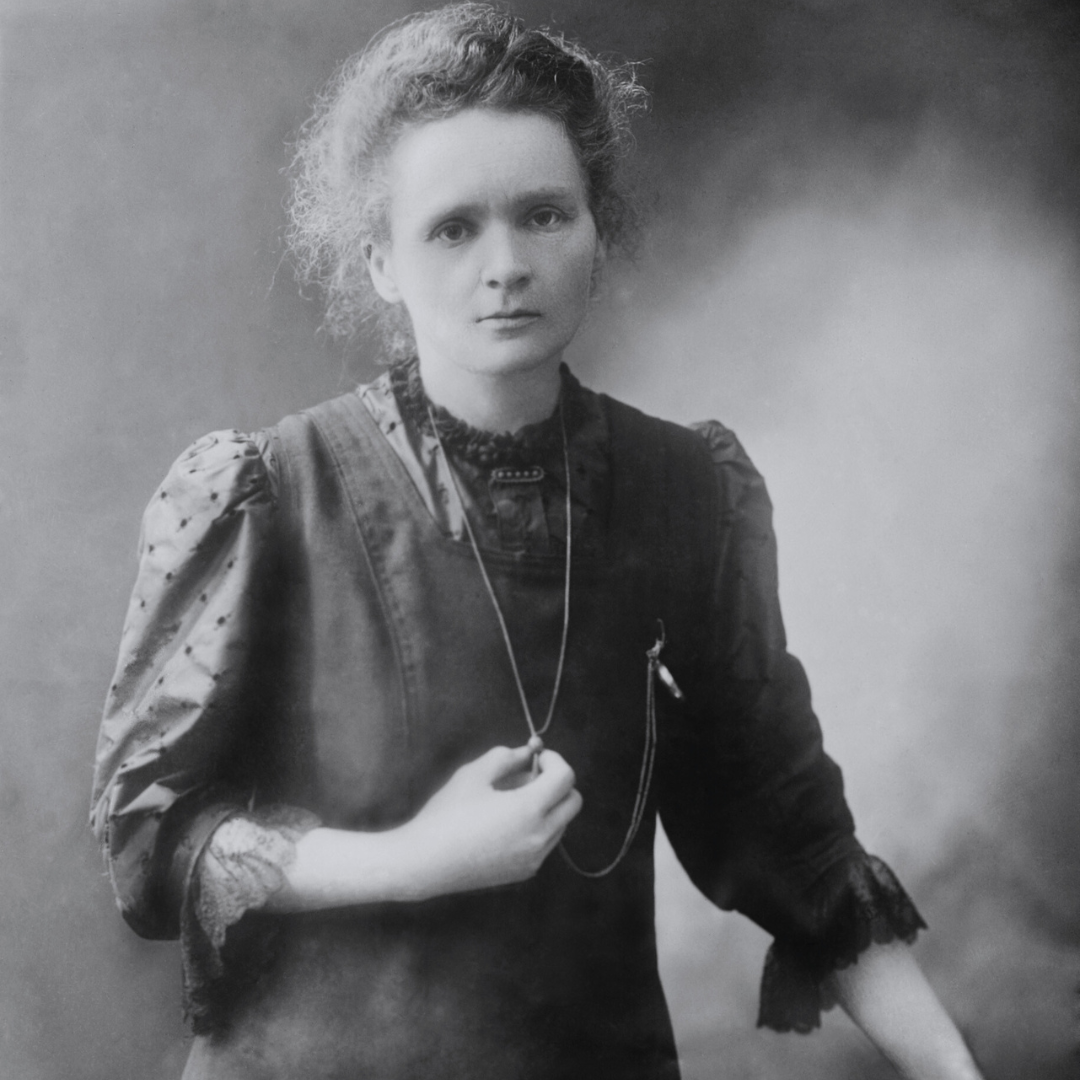
Marie Curie’s groundbreaking research in radioactivity laid the foundation for many modern scientific and medical advances. Her discovery of radium and polonium opened new pathways for cancer treatment and diagnostic techniques that remain crucial today. Her work revolutionised science, making a lasting impact on fields like physics, chemistry, and medicine.
The principles Curie identified continue to influence the development of nuclear energy and radiation therapies. Researchers and doctors still rely on her discoveries to improve safety standards and create new technologies. This ongoing relevance highlights why her contributions are still studied and celebrated.
Beyond science, Marie Curie’s dedication broke barriers for women in research, inspiring generations to pursue careers in STEM. The legacy of her perseverance and innovation underscores the enduring value of her work in the present day.
Marie Curie’s Research: Transforming Science and Society
Marie Curie’s work fundamentally changed scientific understanding of radioactive materials and their properties. Her discoveries introduced new elements and deepened knowledge about radioactivity, influencing both chemistry and physics.
Discovery of Polonium and Radium
Marie Curie, alongside Pierre Curie, isolated two previously unknown radioactive elements: polonium and radium. Polonium was named after her native Poland, while radium was extracted from the mineral pitchblende. This work involved processing large amounts of pitchblende to concentrate radioactive substances.
The identification of these elements was a landmark in chemistry because it proved that radioactivity was not just a property of uranium. Radium’s intense radioactivity set the stage for medical and scientific applications. Their discovery expanded the periodic table and highlighted the potential of radioactive elements beyond uranium and thorium.
Understanding Radioactive Materials and Radioactivity
Marie Curie’s research built upon Henri Becquerel’s discovery of spontaneous radioactive decay in uranium. She coined the term “radioactivity” to describe the phenomenon she and Pierre observed. By studying radioactive decay, they showed that radioactivity was a property of atoms themselves, not just chemical reactions.
The Curies demonstrated that radioactive materials emitted energy continuously without external input, changing the concept of atomic stability. This helped define radioactivity as a physical, rather than chemical, process. The work also clarified that radioactivity varied among elements and isotopes, influencing future nuclear research.
Impact on the Periodic Table and Nuclear Science
Curie’s discoveries led to significant changes in the periodic table by adding polonium and radium as new radioactive elements. These additions emphasised the complexity of atomic structure and the existence of radioactive isotopes. It helped scientists understand the decay chains between elements.
Her research laid the groundwork for nuclear science, influencing the study of atomic nuclei and radioactive decay mechanisms. Later developments, such as nuclear fission and medical radiation therapy, owe much to her foundational work with radioactive elements. The understanding of radioactivity also opened new fields in physics and chemistry.
Enduring Medical Innovations Stemming from Curie’s Discoveries
Marie Curie’s pioneering research created practical breakthroughs in medical science. Her work with radium and radioactive materials paved the way for modern radiological techniques, cancer therapies, and mobile medical technology that remain influential.
Foundations of Radiological Medicine
Curie’s isolation of radium in 1898 ushered in the use of radioactive materials in medicine. Radium’s properties enabled the development of early diagnostic tools, particularly in X-ray imaging. These X-rays revealed internal structures without invasive surgery and transformed medical diagnostics.
The establishment of the Radium Institute by Curie in 1914 institutionalised research into radiation exposure and its medical applications. This centre became crucial in standardising safe practices for radiological procedures. The knowledge gained helped balance the risks and benefits of radiation in clinical settings.
X-rays and radium-based techniques remain central to radiological medicine, used for everything from bone scans to detecting internal injuries. Curie’s groundwork set standards still observed in radiation safety and equipment design.
Development of Cancer Treatments
Curie’s research directly influenced the creation of radiation therapy to treat cancer. By harnessing radium’s ability to destroy diseased cells, clinicians developed targeted treatments that limit damage to surrounding healthy tissue.
Early cancer therapies involved placing radium sources near tumours, a technique called brachytherapy, which remains common today. Understanding radiation exposure allowed doctors to calibrate doses to maximise tumour control and minimise side effects.
The Radium Institute also conducted clinical trials and advanced cancer treatment protocols. Its research contributed to modern oncology’s reliance on radiotherapy as a primary treatment for many cancer types. Curie’s discovery of radium’s medical potential revolutionised oncology care.
The Petites Curies and Mobile X-rays
During World War I, Curie organised “Petites Curies,” mobile radiological units equipped with X-ray machines and staffed by trained personnel. These vehicles brought diagnostic imaging directly to field hospitals, improving medical response times.
The Petites Curies reduced the need for patient transport and enabled faster detection of fractures and shrapnel wounds. Mobile X-ray technology, pioneered by Curie’s team, set a precedent for modern portable imaging devices used worldwide.
These units demonstrated the practical applications of radioactive materials outside the lab. They also underscored the importance of radiation safety protocols in varied and challenging environments, lessons still relevant in mobile medical imaging today.
Curie’s Legacy in Scientific Responsibility and Research Culture
Marie Curie’s work introduced new standards in handling radioactive materials, emphasising safety despite limited knowledge at the time. Her dedication also shaped how researchers approach mentorship and inclusivity today, impacting institutions like the University of Warsaw and the Sorbonne.
Laboratory Safety and Radiation Awareness
Marie Curie’s early experiments involved direct exposure to radioactive substances like radium, often without protective measures. Her experiences highlighted the invisible dangers of radiation exposure, leading to the introduction of lead-lined boxes and specialised containment in laboratories.
The Radium Institute, which she founded, became a centre for developing safety protocols still foundational in radiation research. Despite suffering health consequences herself, Curie’s discoveries pushed the scientific community to recognise radiation as a serious hazard, eventually integrating strict safety standards worldwide.
Inspiring Generations of Researchers
Curie’s achievements, marked by two Nobel Prizes—one in Physics and another in Chemistry—set a high bar for scientific excellence. Her commitment to rigorous research and intellectual honesty influenced generations of scientists, promoting perseverance and curiosity in challenging fields.
Institutions across Europe, including universities in Warsaw and Paris, continue to honour her legacy through scholarships and research programmes. These initiatives encourage researchers to pursue innovative work while maintaining ethical standards and dedication to societal advancement.
Marie Curie’s Influence on Women in Science
Curie was the first woman to win a Nobel Prize and remains the only person awarded Nobels in two different sciences. Her success challenged gender biases and opened doors for women in fields traditionally dominated by men.
Her role at the Sorbonne as a professor provided a powerful example, inspiring female students and researchers worldwide. This legacy is reflected in ongoing efforts to increase women’s participation in STEM, recognising Curie as a pioneer in promoting gender equality in science.


