






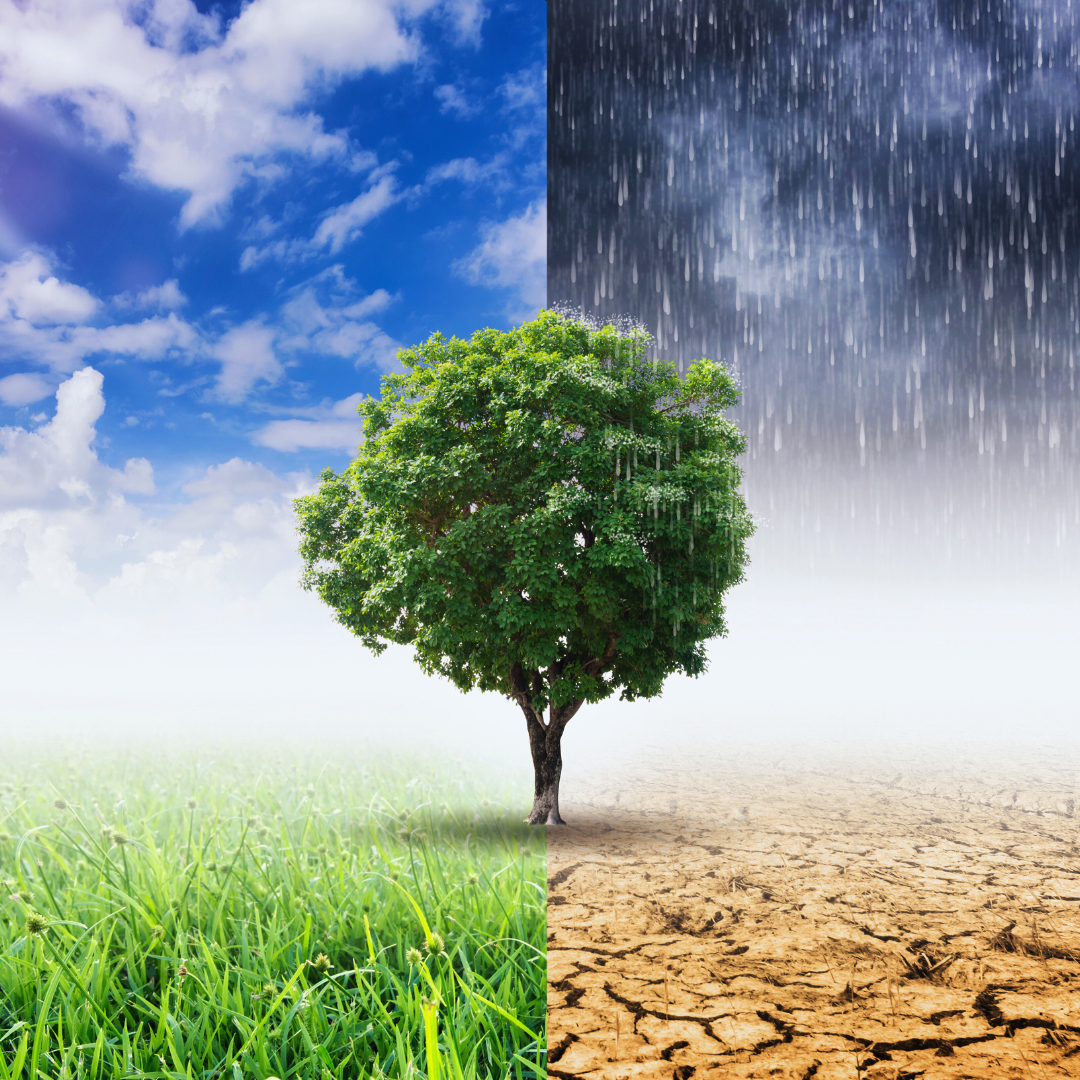
Climate change remains science’s biggest challenge because it involves complex interactions across multiple systems on a global scale. Scientists must understand atmospheric chemistry, ecosystems, and human behaviour simultaneously. This vast scope makes modelling and predicting future outcomes difficult.
The intrinsic uncertainty and the sheer scale of climate change push the limits of current scientific methods and technologies. Despite decades of research, predicting how climate variables will evolve with precision remains elusive, complicating policy and response.
Moreover, climate science is deeply interconnected with economics, politics, and societies worldwide. This creates additional layers of complexity, as scientific evidence must inform decisions in a rapidly changing and often divided world.
The Scientific Complexity of Climate Change
Climate change involves multiple interacting systems and variables, making it difficult to fully predict future conditions. Scientific challenges stem from understanding Earth’s natural processes, the effects of greenhouse gases, and the limits of current climate models.
Understanding the Earth System
The Earth system includes the atmosphere, oceans, land surfaces, and ice masses, all connected through complex feedback mechanisms. Climate scientists study energy flows, water cycles, and biogeochemical processes to explain how these components interact over time.
These interactions influence climate sensitivity, which measures how much the global mean temperature changes in response to greenhouse gas concentrations. Variations in ocean heat uptake and cloud dynamics add uncertainty to predicting temperature trends. Accurately representing such processes is essential for reliable climate science.
Role of Greenhouse Gases and Global Warming
Greenhouse gases like carbon dioxide, methane, and nitrous oxide trap heat within the atmosphere, driving global warming. Carbon dioxide remains the most significant due to its abundance and long atmospheric lifetime.
Rising greenhouse gas levels increase the global mean temperature, altering weather patterns, ice cover, and sea levels. Quantifying the exact impact of each gas requires careful measurement and long-term observation, which are complicated by natural fluctuations such as volcanic activity and solar radiation changes.
The Challenge of Climate Models
Climate models simulate Earth’s climate to project future changes based on various scenarios. These models integrate physical laws and observed data, but limitations remain due to spatial resolution and incomplete knowledge of certain processes.
Model outputs differ depending on assumptions about climate sensitivity and feedbacks, such as cloud behaviour and carbon cycle feedbacks. Improving these models demands ongoing research, computing resources, and interdisciplinary collaboration, as accurate predictions are vital for effective policy decisions.
Advancing Knowledge and Overcoming Uncertainties
New findings in historic climate patterns and ongoing improvements in climate models play a crucial role in refining scientific understanding. Efforts by international organisations help establish consensus amid complex data and unavoidable uncertainties.
Progress in Palaeoclimatology and Historical Climate Analysis
Palaeoclimatology provides a window into Earth’s climate over millions of years. By analysing ice cores, tree rings, sediment layers, and corals, climate scientists reconstruct temperature, atmospheric composition, and ocean conditions. Such proxies extend beyond the instrumental record, revealing natural climate variability and past abrupt changes.
These reconstructions are essential for testing the accuracy of climate models. For example, data from the National Science Foundation-funded projects have helped confirm the role of greenhouse gases in historic warming periods. Understanding past shifts in atmospheric circulation patterns also aids in predicting future regional impacts.
This knowledge improves estimates of climate sensitivity and offers context for current trends. By grounding projections in past climate behaviour, scientists gain greater confidence in their predictions.
Uncertainties in Climate Projections
Despite improvements, uncertainties remain in climate projections. These arise from an incomplete understanding of feedback mechanisms, such as cloud formation and carbon cycle responses. The complexity of atmospheric circulation also limits precision, especially at regional scales.
Climate models vary in their representation of these processes, affecting temperature and precipitation forecasts. Uncertainty about future greenhouse gas emissions and socio-economic factors further complicates predictions.
Scientists address this by using ensembles of multiple models and scenarios. This approach provides a range of possible outcomes, quantifying uncertainties to inform policymakers. The goal is to reduce uncertainty through continuous data collection, model refinement, and improved observation technologies.
The Role of the Intergovernmental Panel on Climate Change
The Intergovernmental Panel on Climate Change (IPCC) synthesises vast volumes of research from climate scientists worldwide. It evaluates evidence from palaeoclimatology, climate models, and atmospheric studies to produce comprehensive assessment reports.
These reports highlight current knowledge and clearly identify areas of uncertainty. The IPCC bridges science and policy by shaping international climate agreements and guiding adaptation and mitigation efforts.
Its rigorous, transparent review process ensures balanced conclusions, helping governments understand climate risks in a consistent framework. The panel’s work remains central to advancing global climate science and coordinating scientific efforts.
Mitigation, Adaptation, and Policy Responses
Effective responses to climate change rely on coordinated policy, targeted mitigation efforts, and increased resilience to extreme weather. Each approach addresses different aspects of the challenge, but they must work together to reduce impact and enhance preparation.
Developing Effective Climate Policy
Climate policy needs to set clear, enforceable targets grounded in scientific data. Governments must prioritise emissions reduction goals in line with international agreements like the Paris Accord. Policies should include carbon pricing, subsidies for clean energy, and regulation of high-emission industries.
Legal frameworks must also support adaptation by funding infrastructure improvements and disaster preparedness. Transparent reporting, accountability mechanisms, and international cooperation are critical for success. Policymakers must balance economic growth with environmental sustainability while engaging stakeholders.
Strategies for Mitigation
Mitigation focuses on reducing greenhouse gas emissions and enhancing carbon sinks. Key sectors include energy, transportation, agriculture, and industrial processes. Transitioning to renewable energy sources like wind and solar is essential.
Energy efficiency improvements and the electrification of transport reduce emissions significantly. Land management practices that protect forests and promote reforestation contribute to carbon sequestration. Technology innovation, such as carbon capture and storage, offers potential but requires investment and scaling.
Strengthening Adaptation and Resilience
Adaptation prepares societies for unavoidable climate impacts, particularly increasing extreme weather events. This involves upgrading infrastructure to withstand storms, floods, and heatwaves. Urban planning must incorporate flood defences, green spaces, and resilient water systems.
Agricultural practices need adjustment to maintain productivity amid changing climates. Community engagement and early warning systems improve response capability. Strengthening resilience also means protecting vulnerable populations through social safety nets and health services.
Driving Climate Action
Climate action requires collective efforts across governments, businesses, and individuals. Public awareness campaigns and education promote behaviour changes toward sustainability. Businesses must integrate climate risks into decision-making and invest in low-carbon technologies.
International collaboration is essential for sharing resources, technology, and knowledge. Financial mechanisms, such as green bonds and climate funds, support both mitigation and adaptation projects. Monitoring and reporting progress, maintaining momentum and informing future strategies.


