




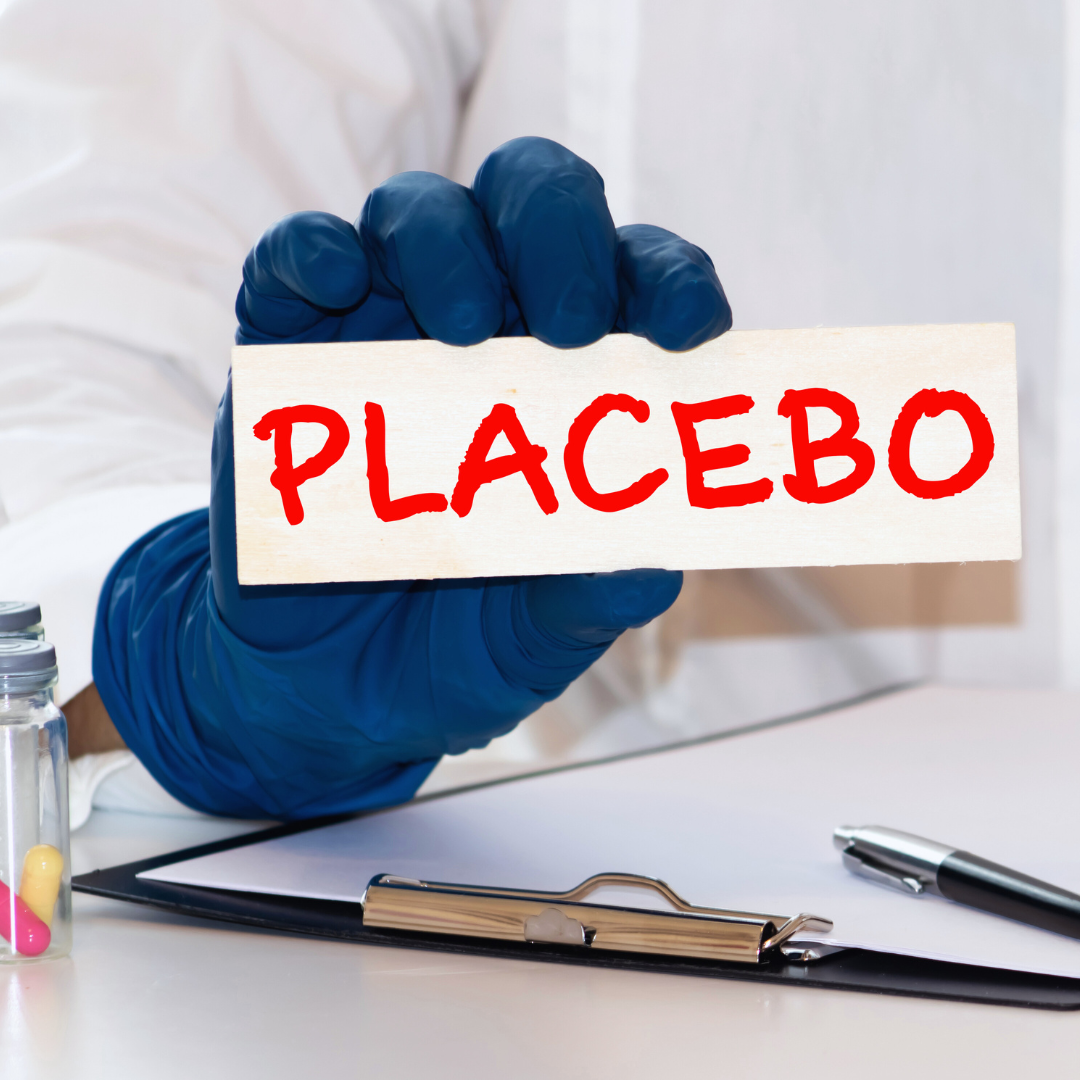

The placebo effect continues to capture the attention of researchers because it reveals how the mind can influence physical health without active treatment. It demonstrates that placebos can trigger real physiological responses, highlighting the complex connection between belief, expectation, and healing.
Scientists study placebos to better understand how psychological and neurological factors affect recovery and symptom relief. This insight helps improve clinical trials and can lead to new approaches in medicine that harness the body’s own healing mechanisms.
By examining the placebo effect, researchers explore why some patients respond to inert substances and how this phenomenon might enhance patient care. It challenges conventional ideas about treatment and encourages a deeper look at the power of perception in health.
Why the Placebo Effect Captivates Scientific Research
The placebo effect challenges traditional views on treatment effectiveness and reveals complex patient responses in clinical settings. It influences how clinical trials are designed and interpreted, affecting decisions on new therapies and their therapeutic benefits.
Rethinking Treatment Efficacy
The placebo effect forces researchers to reconsider what constitutes genuine treatment efficacy. It shows that improvements in patient health can occur even without active pharmacological agents. This phenomenon underscores the role of psychological and physiological factors beyond the drug’s direct action.
In clinical research, recognising placebo responses helps to isolate the true clinical outcome of a therapy. It also raises questions about the mind-body interaction, suggesting that patient belief and expectation can trigger measurable biological changes. Understanding this can refine how treatments are assessed and tailored.
Variability in Patient Outcomes
Patient responses to placebos vary significantly, influenced by genetics, psychology, and environmental factors. This variability complicates predictions about who will benefit from certain treatments. Some patients show strong placebo responses, impacting how therapeutic benefits are evaluated.
Such differences in placebo response are important to consider during clinical trials. They may mask or mimic the effects of active drugs, thus affecting the consistency and reliability of trial results. Researchers strive to identify variables that contribute to this variability to enhance patient outcome predictions.
Implications for Clinical Trials
Placebo responses directly affect the design and interpretation of clinical trials. Researchers often include placebo control groups to distinguish drug effects from placebo effects. Accurately measuring placebo responses is crucial for assessing the true efficacy of new treatments.
Clinical trials must carefully manage placebo effects to avoid skewed results. Statistical methods and trial protocols have evolved to minimise placebo interference. This ensures that therapeutic benefits attributed to an intervention reflect genuine clinical outcomes, improving the reliability of research findings.
Core Mechanisms Driving the Placebo Effect
The placebo effect arises from a combination of mental expectations, brain function changes, and influences from social environments. These mechanisms work together to create real physiological responses despite the absence of active treatment.
Psychological Mechanisms: Expectancy and Conditioning
Expectancy plays a significant role in the placebo effect. When individuals anticipate a positive outcome, their brain prepares the body to respond accordingly, activating pathways similar to those triggered by actual treatments.
Conditioning, including operant conditioning, reinforces these responses through past experiences. If a person associates a specific cue or treatment with relief, the brain learns to produce the effect again when exposed to similar cues.
Together, expectancy and conditioning change behaviour and perception. This interaction helps explain why placebos can reduce pain or improve symptoms by harnessing learned responses and conscious expectations.
Neurobiological Pathways and Brain Activity
Neurobiological mechanisms underlie the placebo effect through brain regions responsible for pain, reward, and emotion. Brain imaging studies, such as PET and functional magnetic resonance imaging, reveal increased activity in the pons, prefrontal cortex, and other areas during placebo responses.
The release of neurotransmitters like dopamine and endorphins is crucial. Dopamine modulates reward and motivation pathways, while endorphins act as natural painkillers, directly affecting neurons involved in pain perception.
These neurobiological changes demonstrate how the brain mimics drug effects. They illustrate the mind-body connection, where expectations translate into measurable shifts in brain chemistry and function.
Psychosocial and Social Contexts
Psychosocial factors influence how strongly the placebo effect occurs. Emotional states, trust in the clinician, and the environment of treatment impact neurobiological responses.
Social learning shapes expectations through observation and communication. Seeing others benefit from a treatment or receiving positive social reinforcement strengthens placebo responses.
The social context modulates emotional factors and stress, which affect the brain’s processing of symptoms. This interaction emphasises that the placebo effect is not just individual but deeply embedded in social experiences.
Placebo Effect in Health Conditions and Patient Care
The placebo effect significantly influences how patients respond to various treatments. It plays a measurable role in altering symptoms such as pain, anxiety, and fatigue, which can directly impact patient outcomes.
Pain Perception and Pain Relief
Placebo analgesia is a well-documented phenomenon where patients report pain relief after receiving an inactive treatment. This effect modifies pain perception by activating brain pathways linked to natural pain-killing chemicals like endorphins.
Researchers have found that placebo treatments can reduce pain intensity in conditions like acute pain and postoperative recovery. Studies show changes in blood pressure and anxiety levels often accompany pain relief due to a placebo, enhancing overall comfort.
In clinical settings, understanding placebo analgesia helps tailor pain management strategies, reducing the need for higher doses of medications and limiting side effects.
Management of Chronic Disorders
Placebos influence patients with chronic pain and other long-term conditions by altering symptom severity over time. Chronic disorders such as fibromyalgia and arthritis often demonstrate improved symptoms, like reduced fatigue and nausea, through placebo responses.
Patient expectations and the doctor-patient relationship play critical roles in maximising the placebo effect for chronic conditions. Positive interactions can improve patient outcomes and increase adherence to prescribed treatments.
Techniques that harness the placebo effect may support conventional therapy for chronic disease management without additional drugs, ultimately improving quality of life.
Role in Treatment of Psychological Symptoms
The placebo effect also impacts psychological symptoms, including anxiety and insomnia. It can lower anxiety levels in patients by triggering physiological changes resembling those caused by active medications.
In trials for depression and anxiety, placebo groups often show significant symptom improvement. This suggests patients’ belief in treatment efficacy is a major factor, influencing neurotransmitter activity associated with mood regulation.
Using placebos or placebo-like strategies ethically in clinical care might enhance mental health treatment by supplementing standard approaches and promoting positive expectations.
Challenges, Ethical Considerations, and Future Directions
The placebo effect presents complex challenges in research and clinical practice, requiring careful ethical oversight and innovative study designs. Advances in neuroscience offer potential to tailor treatments based on individual placebo responsiveness and personality traits.
Nocebo Effect and Adverse Responses
The nocebo effect, where negative expectations cause harmful symptoms, complicates placebo research. It can result from informed consent or communication about potential side effects, leading to adverse responses even in sham procedures. Understanding nocebo mechanisms is essential to avoid unnecessary harm.
Researchers must distinguish nocebo reactions from actual drug side effects in clinical trials. This challenge demands transparent communication strategies that minimise inducing negative expectations. The balance between truthfulness and reducing harm remains a critical ethical concern.
Influence of Study Design and Open-Label Placebo
Study designs affect placebo response rates. Traditional double-blind trials compare active treatments to placebos, but open-label placebos—where patients know they receive an inert pill—show surprising efficacy. This challenges assumptions about deception as essential to the placebo effect.
Open-label placebo studies highlight the role of patient awareness and suggest a neural circuit involved in expectation and conditioning. Incorporating open-label placebos could reduce ethical issues linked to deception while maintaining clinical benefit. Yet, more research into personality traits influencing placebo responsiveness is needed.
Ethical Guidelines and Informed Consent
Ethical guidelines require fully informed consent, but disclosing placebo use may alter patient expectations, potentially reducing benefit or triggering nocebo effects. Researchers follow protocols to balance honesty with preserving placebo effects during trials.
Informed consent documents now often include explanations of sham procedures and placebo use. Ethical frameworks recommend transparency without causing undue alarm. Ensuring participant autonomy is central, alongside minimising psychological harm tied to placebo or nocebo responses.
Opportunities for Neuroscience and Personalised Medicine
Recent progress in neuroscience reveals specific neurons and networks responsible for placebo responsiveness. Mapping these neural circuits can inform personalised medicine approaches, tailoring interventions based on individual brain profiles and personality traits.
Science Translational Medicine aims to convert these findings into clinical tools. For example, brain imaging might predict who will benefit most from placebo-based treatments or identify the risk of adverse nocebo reactions. Such approaches could enhance treatment efficacy while reducing unnecessary drug use.


