





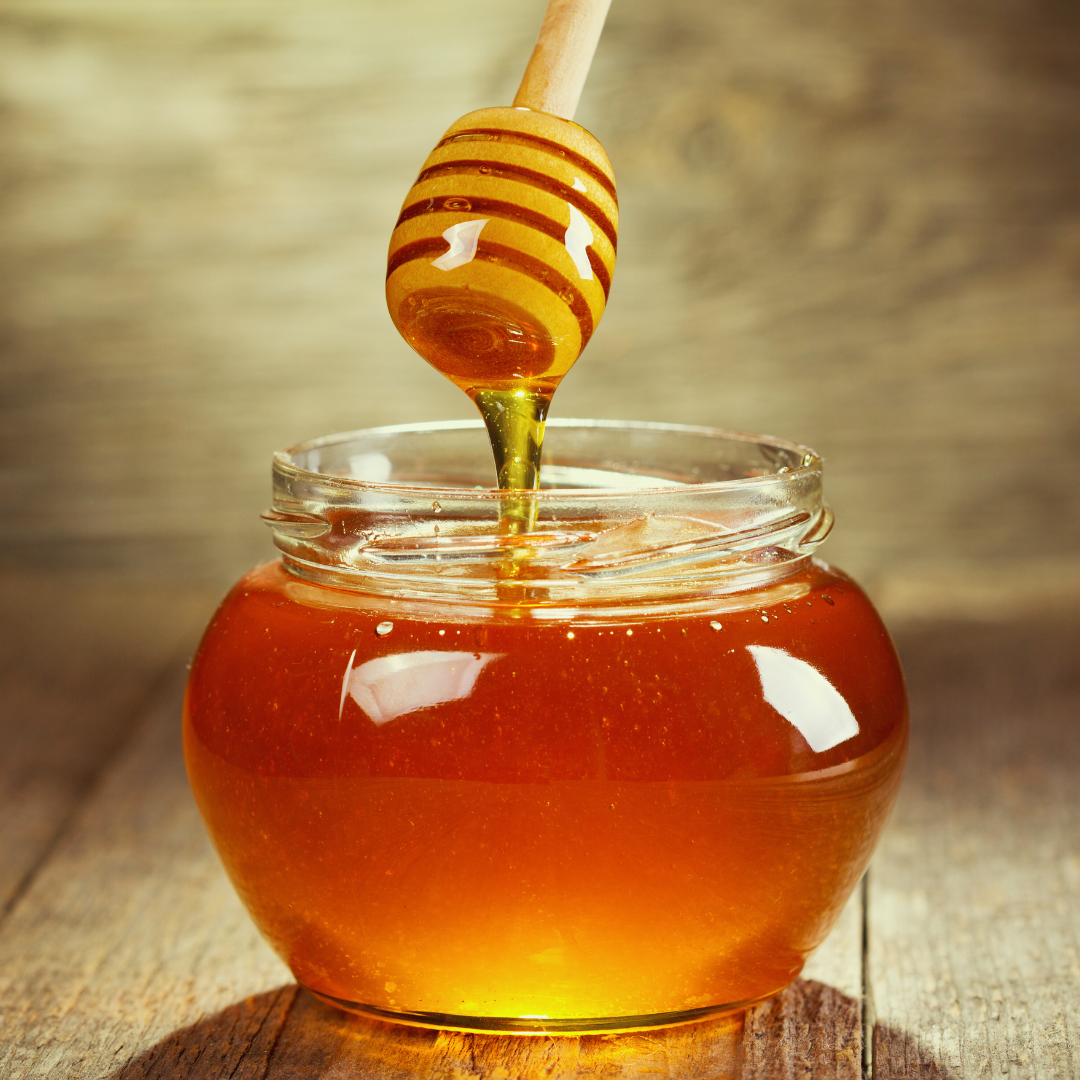
Honey is known for its remarkable ability to last indefinitely without spoiling. Its natural composition, including low water content and high acidity, prevents bacteria and mould from developing, making honey a food that never goes bad under proper storage conditions.
This unique quality has fascinated scientists and consumers alike for centuries. People often wonder why honey found in ancient tombs remains edible, and the answer lies in its chemical properties and the way bees process nectar.
Understanding how honey’s natural preservatives work can help readers appreciate this everyday pantry staple more. Exploring these factors reveals why honey remains safe and delicious long after the jar has been opened.
Why Honey Never Goes Bad
Honey’s lasting nature comes from a combination of its chemical makeup and the way bees transform nectar. Its properties create an environment that resists spoilage and supports long-term preservation without refrigeration or additives.
Unique Properties Preventing Spoilage
Honey’s acidity plays a crucial role in preventing spoilage. With a pH typically between 3.2 and 4.5, it creates an acidic environment that inhibits most bacteria and mould growth.
It also contains naturally occurring enzymes like glucose oxidase, which produce hydrogen peroxide when diluted. This mild antiseptic effect further limits microbial activity.
Additionally, honey’s viscous consistency limits oxygen availability and water activity, which are both essential factors for microbial survival and growth.
Role of Bees and Nectar Transformation
Bees contribute to honey’s preservation through enzymatic and physical processes. When bees collect nectar, they add the enzyme glucose oxidase during the nectar’s transformation into honey.
This enzyme conversion lowers pH and produces hydrogen peroxide. Bees also reduce moisture content by fanning their wings to evaporate excess water, helping to prevent fermentation and spoilage.
The capping of honey in wax cells by bees creates a sealed environment, protecting honey from external contaminants and moisture absorption.
Importance of High Sugar Content
Honey’s high sugar content, roughly 80% sugars by weight, creates a hyperosmotic environment. This means it draws water out of microbial cells through osmosis, leading to their dehydration and death.
The sugars—mainly fructose and glucose—act as a natural preservative by limiting water availability for bacteria and fungi. This high osmotic pressure is key to honey’s resistance to spoilage.
This concentration also makes honey hygroscopic, so it absorbs moisture if stored improperly, which can, however, lead to fermentation if the water content rises too much.
Impact of Low Moisture
Honey typically contains less than 18% water. This low moisture content is critical because most bacteria and mould need higher water levels to thrive.
Reduced water activity prevents the growth of spoilage organisms and extends shelf life naturally. By maintaining low moisture, honey stays stable for years or decades.
Proper storage in sealed containers is essential to keep moisture low and prevent honey from absorbing humidity, which could otherwise lead to fermentation or crystallisation issues.
Natural Preservation Mechanisms
Honey’s long shelf life is due to several natural factors that work together to control microbial growth. These include its low pH, specific enzymes added by bees, and naturally occurring antimicrobial compounds.
Acidic pH Levels and Gluconic Acid
Honey has a naturally low pH, usually between 3.2 and 4.5, which inhibits bacteria and fungi from multiplying. This acidity comes primarily from gluconic acid, formed by the enzymatic conversion of glucose by bees.
Gluconic acid creates an environment hostile to most microbes. Its presence lowers the pH and contributes to honey’s tangy flavour. This acidification is a key element in honey’s resistance to spoilage.
Antibacterial Enzymes from Bees
Bees add the enzyme glucose oxidase during honey production. This enzyme converts glucose into hydrogen peroxide and gluconic acid when honey is diluted with water.
Hydrogen peroxide acts as a mild antiseptic, killing many bacteria and fungi. The enzyme remains inactive while honey is in its concentrated state, but activates upon moisture contact, providing ongoing protection.
Presence of Methylglyoxal and Hydrogen Peroxide
Certain honeys, particularly Manuka honey, contain methylglyoxal (MGO), a compound with strong antimicrobial properties. MGO disrupts microbial cell functions, preventing growth and proliferation.
In addition, hydrogen peroxide, produced enzymatically, adds a second layer of microbial defence. Together, MGO and hydrogen peroxide create an effective barrier against spoilage agents, reinforcing honey’s natural preservation.
Proper Storage and Factors Influencing Shelf Life
Honey’s longevity depends heavily on its storage conditions and potential exposure to contaminants. The following details the crucial role of airtight containers, the risks linked to contamination and botulism, and the changes caused by crystallisation.
Significance of Airtight Containers
Storing honey in an airtight container is essential to preserve its quality. Exposure to air introduces moisture, which can dilute honey and promote microbial growth.
Glass jars with tight lids are recommended because they do not react with honey, ensuring no flavour or quality changes. Plastic containers may leach chemicals or allow air penetration over time.
Keeping honey sealed reduces the chance of fermentation by limiting yeast activity. This practice extends its shelf life and maintains its natural antimicrobial properties.
Risks of Contamination and Botulism
While honey rarely spoils, improper handling can introduce contaminants. Soil or dust particles may carry spores, but these do not usually grow in mature honey due to its low water content.
Infants under 1 year old should not consume honey because it can contain botulism spores (Clostridium botulinum). In an infant’s immature digestive system, these spores can develop into bacteria and produce toxins. Adults and older children are generally immune due to stomach acidity.
Containers should be clean and dry before filling to prevent introducing bacteria or mould. Avoid double-dipping utensils to reduce contamination risks.
Understanding Crystallised Honey
Crystallisation occurs when glucose separates from water, creating small crystals and changing the honey’s texture. This is a natural, harmless process that does not indicate spoilage.
Crystallised honey can be returned to liquid by gently warming it to about 40°C. Higher temperatures may degrade enzymes and affect taste.
Some varieties crystallise faster due to their sugar composition. Storage temperature impacts the rate; cooler environments promote faster crystallisation, while warmer conditions slow it down.
Honey’s Role in Sustainability and Daily Use
Honey’s natural properties offer practical benefits that contribute to reducing waste and provide a sustainable alternative to processed sugars. Its versatility in everyday life makes it an accessible ingredient with ecological and economic advantages.
Reducing Food Waste with Long Shelf Life
Honey’s extremely low moisture content and acidity make it resistant to spoilage and microbial growth. As a result, it does not ferment or decay over time, enabling it to remain edible indefinitely when stored properly.
This long shelf life helps reduce food waste by allowing consumers to keep honey for years without concerns about expiry. It can be stored at room temperature in sealed containers, unlike many other sweeteners that require refrigeration or have limited use-by dates.
By replacing short-lived sweeteners with honey, households minimise discarded food. This characteristic supports sustainable consumption patterns and lowers the environmental impact related to food production and waste management.
Everyday Uses as a Natural Sweetener
Honey acts as an effective natural sweetener with a complex flavour profile, making it suitable for teas, baking, and cooking. It contains antioxidants, enzymes, and trace nutrients absent in refined sugars.
Users benefit from honey’s ability to blend well in both cold and hot preparations due to its solubility and moisture content. Its slower absorption by the body is linked to less impact on blood sugar spikes compared to processed sugars.
Incorporating honey in daily diets encourages the reduction of artificial sweeteners and contributes to a diet with fewer additives. Its natural origin aligns with consumer preferences for sustainably sourced and minimally processed foods.


