




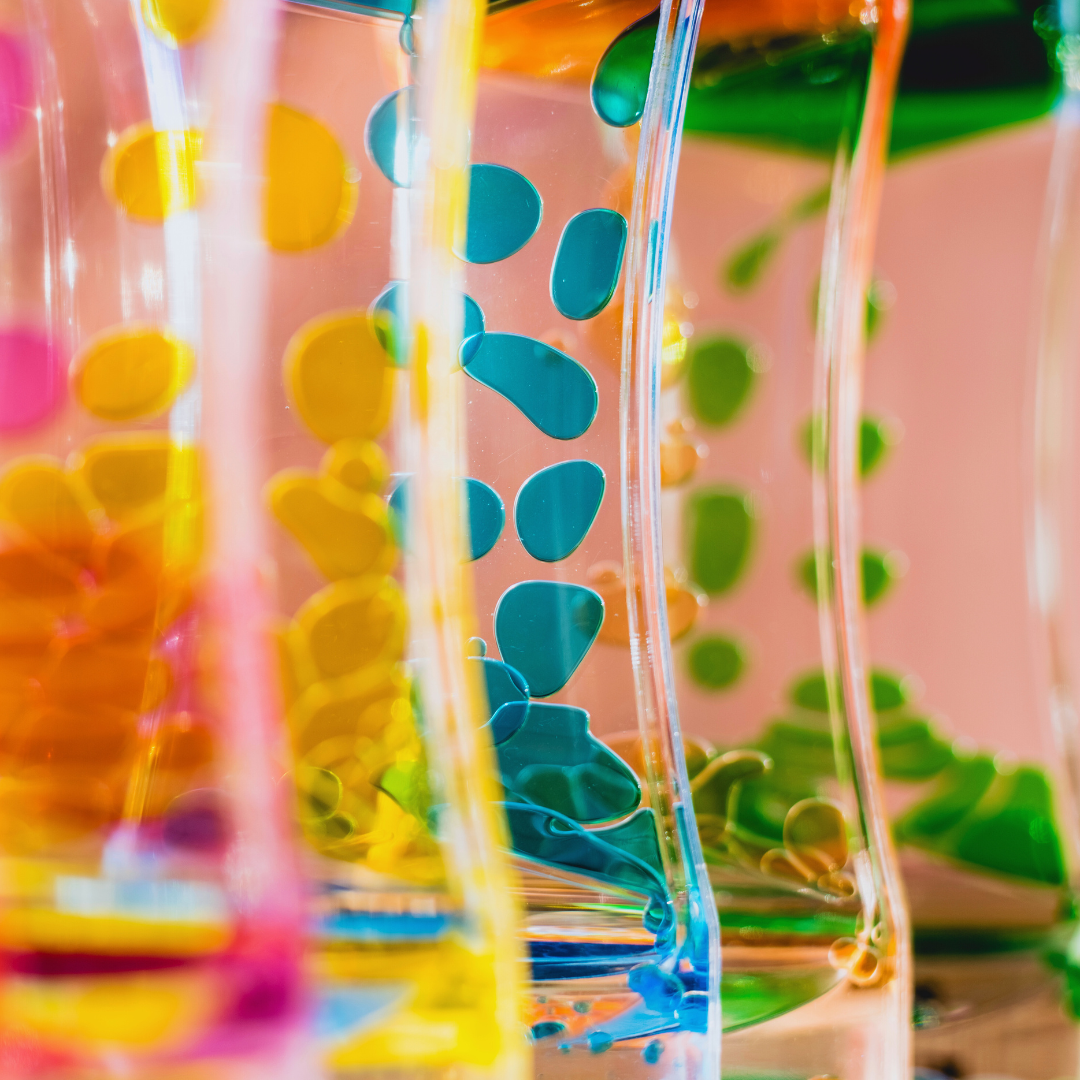


Creating a lava lamp at home is both an engaging and educational project that brings a touch of retro flair to any living space. With just a few common household items and a bit of creativity, it is possible to replicate the mesmerising effect of a lava lamp without spending a fortune. This DIY endeavour not only provides a captivating visual display but also sparks curiosity about science and the properties of liquids.
The process involves layering different liquids and using a source of light to enhance the effect. By understanding the principle of density and how certain substances interact, anyone can achieve that iconic bubbling motion. This guide will walk through the simple steps needed to create this fascinating home décor piece.
Whether for a party or as a charming addition to a room, making a lava lamp can be a delightful experience. Readers will find clear instructions and tips to ensure their creation is both effective and fun.
Understanding the Science of Lava Lamps
Lava lamps create a captivating visual display through the principles of density and the unique separation of liquids. By exploring the interaction between oil and water, one can better appreciate how the iconic lava lamp effect occurs.
The Role of Density and Specific Gravity
Density refers to how much mass a substance has relative to its volume. Specific gravity compares the density of a substance to that of water. In a lava lamp, the oil utilised is less dense than the water, allowing it to float.
When the lamp heats up, the wax inside becomes less dense as it warms. As the wax rises, it cools, increasing its density and causing it to sink. This cycle repeats, creating the glowing blobs that characterise lava lamps. The combination of these densities and the heat from the bulb results in the mesmerising movement of the wax.
Importance of Oil and Water Separation
Oil and water do not mix due to differences in polarity. Oil molecules are non-polar, while water molecules are polar. This separation is essential for the lava lamp’s function, as it allows the wax to move freely.
In a typical lava lamp, the water acts as a base while the wax functions as the moving element. The design relies on these distinct properties; when the lamp heats, the wax pushes through the water beneath it. This interaction creates the flowing, lava-like motion that attracts attention and curiosity.
Materials and Ingredients Needed
Creating a homemade lava lamp requires specific materials and ingredients to ensure a successful and visually appealing outcome. The correct types of oil, proper mixtures of water and food colouring, and effective effervescing tablets are essential for achieving the characteristic lava lamp effect.
Choosing the Right Oils
The choice of oil significantly affects the performance of the lava lamp. Common options include:
- Baby oil: It is clear and has a low density, making it an excellent choice for creating the lava lamp effect.
- Vegetable oil: This is widely available and cheaper, but can be cloudy, affecting the clarity of the lamp.
- Mineral oil: This oil is also a popular option because of its clarity and low density.
The oil’s density is crucial, as it must be lighter than the water mixture. This separation allows the coloured blobs to rise and fall, creating the desired effect. Oils with similar densities can lead to unsatisfactory results.
Water and Food Colouring Mixtures
The water used in the lava lamp serves as the base for the lamp’s effect. Tap water is sufficient, but using distilled water can minimise cloudiness. Adding food colouring makes the water visually striking. When selecting food colouring, ensure it is water-soluble. Choose between liquid or gel formats, with liquid being the most common.
- Mixing ratios: Start with a few drops of food colouring, adjusting based on desired intensity.
The vibrant colour contrasts sharply with the oil, enhancing the overall effect. A thicker water mixture may hinder the movement of the oil, so it is vital to strike the right balance.
Selecting the Effervescing Tablets
Effervescing tablets are essential for generating the lava lamp effect. Alka-Seltzer tablets are popular and readily available.
When using these tablets:
- Break them into smaller pieces for controlled bubbling.
- Add them gradually to ensure the reaction is manageable.
The fizzing action is what causes the oil to move up and down through the water, creating the lava lamp’s distinctive wave-like flow. Other alternatives are baking soda and vinegar, but their reactions differ based on ratios used. Understanding how each component interacts will enhance the overall experience of making a lava lamp at home.
Constructing Your Homemade Lava Lamp
Creating a homemade lava lamp involves selecting the right container, layering liquids correctly, and utilising a fizzy element for movement. Each step contributes to achieving the desired visual effect.
Preparing the Container
Choose a clear glass or plastic container for the lava lamp to allow light to pass through effectively. A good size is around 500ml to 1 litre. Prepare to fill the container with the liquids that will create the lava effect.
Clean the container thoroughly before use. This ensures that there are no residues that could interfere with the liquids. Use water for the base layer and add food colouring to achieve the desired aesthetic. Several drops of coloured water can transform an ordinary lamp into an eye-catching piece.
Layering Liquids and Creating the Effect
Fill the container about one-third full with the coloured water. Next, carefully add oil to fill the container to nearly full capacity. The oil will float above the water because it is less dense. The crucial element is ensuring that the oil and water do not mix. This layering creates the initial effect where the oil forms distinct bubbles. Small amounts of glitter can be added for visual flair, enhancing the aesthetics without affecting functionality.
Adding Fizz and Enjoying Your Lamp
To activate the lava lamp effect, add an Alka-Seltzer tablet broken into smaller pieces to the mixture. This tablet reacts with the water, creating carbon dioxide bubbles. These bubbles carry the coloured water upwards, creating the lamp’s iconic movement.
It is essential to add the Alka-Seltzer gradually. This controls the flow of bubbles and prolongs the lamp’s operation. Once it begins to fizz, the lamp will produce a mesmerising display. Turn off the lamp or add additional tablets as needed to reset the effect.


